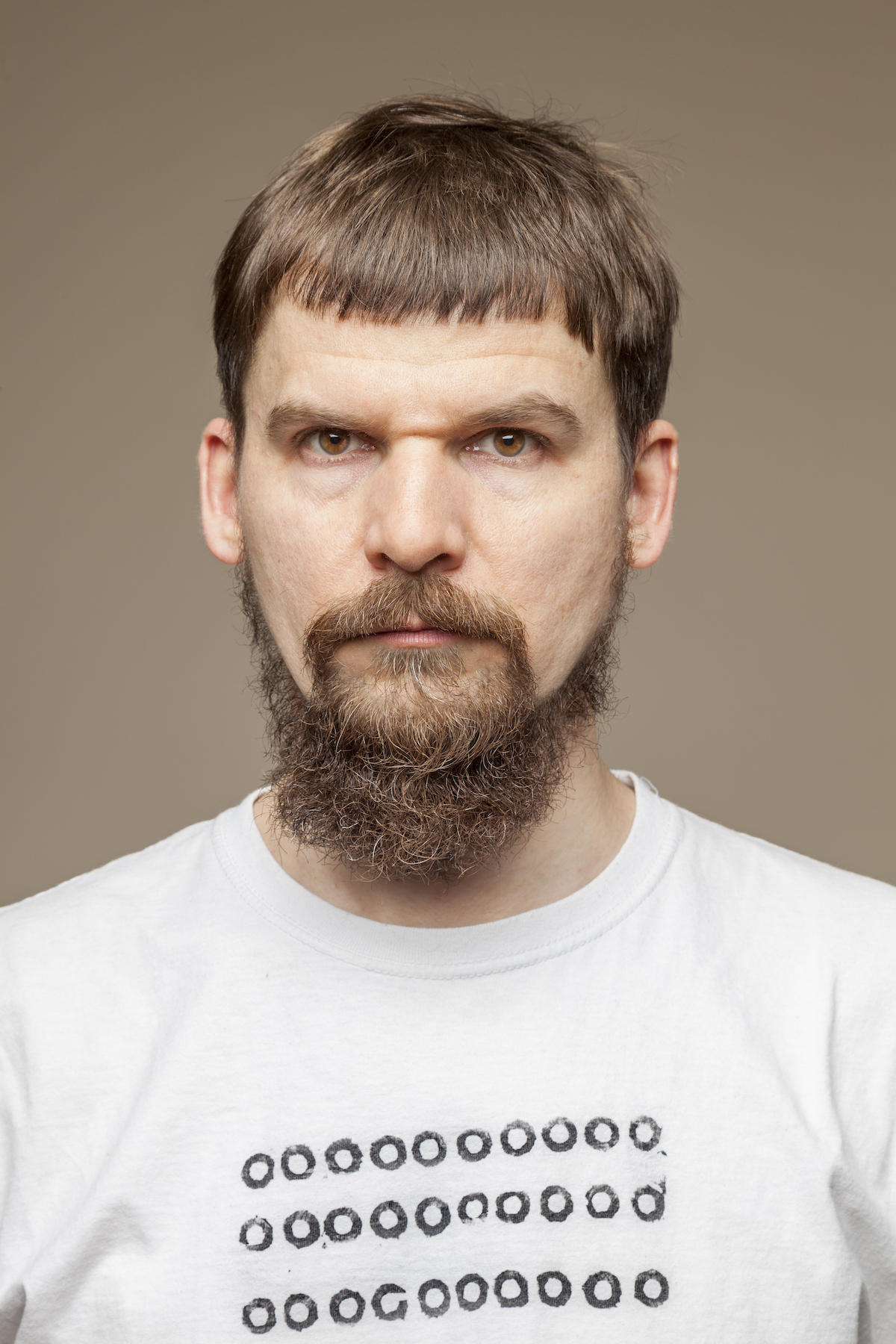
Pavel Rotts (b. 1982, Petroskoi) is an Ingrian multidisciplinary artist based in Helsinki since 2015. His practice spans installation, performance, moving image, sound, and artistic research, engaging with histories of displacement, political violence, collective memory, and his own identity. Rotts holds an MFA from the University of the Arts Helsinki, presents work internationally, and is part of the artist duo SAHSAPASHA. He is also active in artist-led cultural initiatives and anti-war activism.

His work has been shown in solo exhibitions such as Climbing a Memory (Narva Museum, 2024) and Leave No Trace (Helsinki, 2021), and as part of SAHSAPASHA in venues across Europe, including the New Institute (Rotterdam, Netherlands) and Paradise Works (Manchester, UK). Rotts has participated in numerous group exhibitions and residencies throughout Finland and Europe, including the Joensuu Biennale MITÄ, Mänttä Art Festival (Finland), Narva Art Residency (Estonia), Pikene på Broen (Norway), and The Mirror Institution (Sweden). He has received multiple grants and awards, including the Finnish Cultural Foundation Artist Grant (2024), the William Thuring Award (2025), and project grants from the KONE Foundation and Oskar Öflund Foundation. Alongside his artistic practice, Pavel co-founded the anti-war initiative NO PUTIN NO, the KINO Club Helsinki, and the Shelter Festival.


Portfolio PDF
CV.
BIO


Projects


Projects as SASHAPASHA duo (see more in SASHAPASHA section)
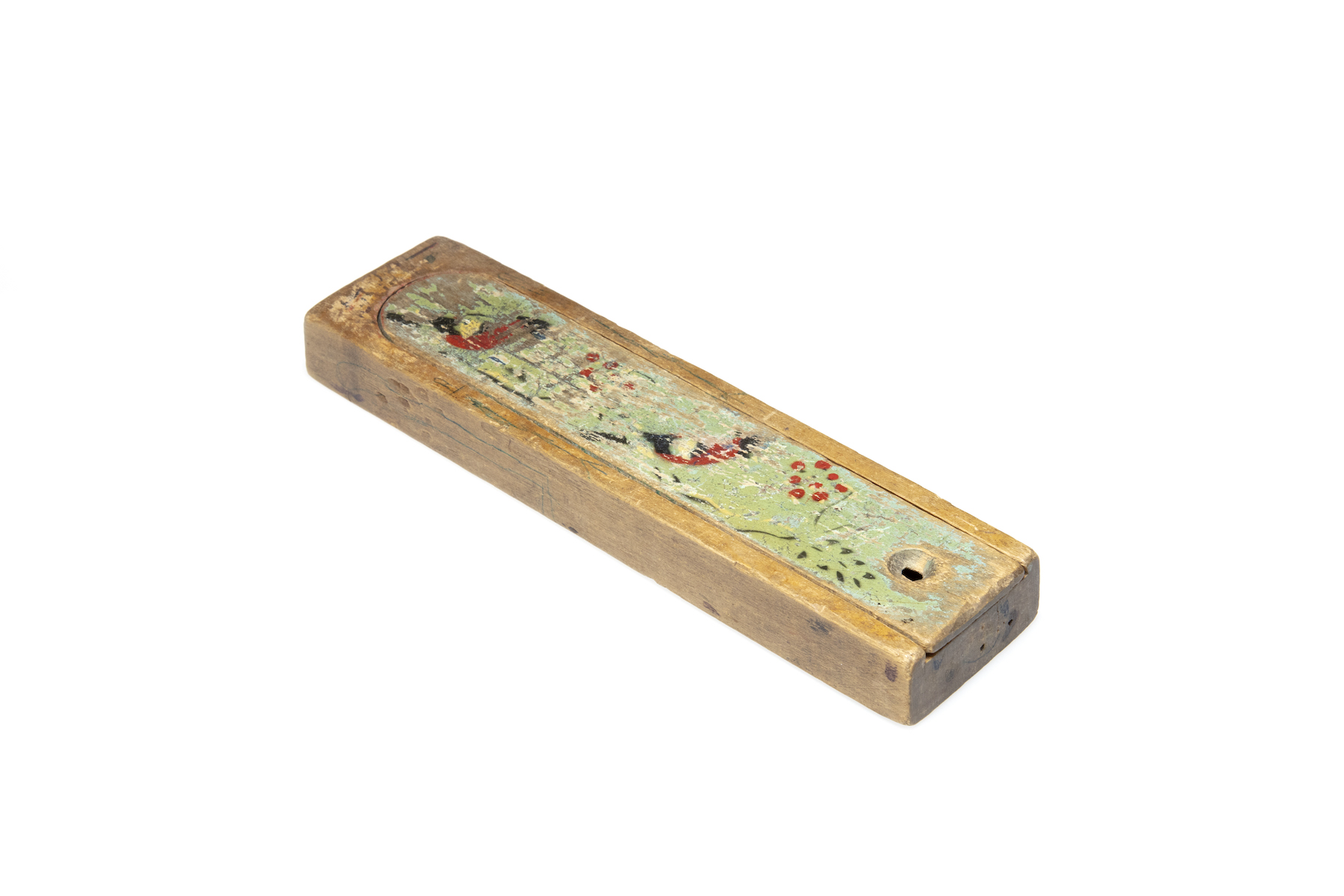
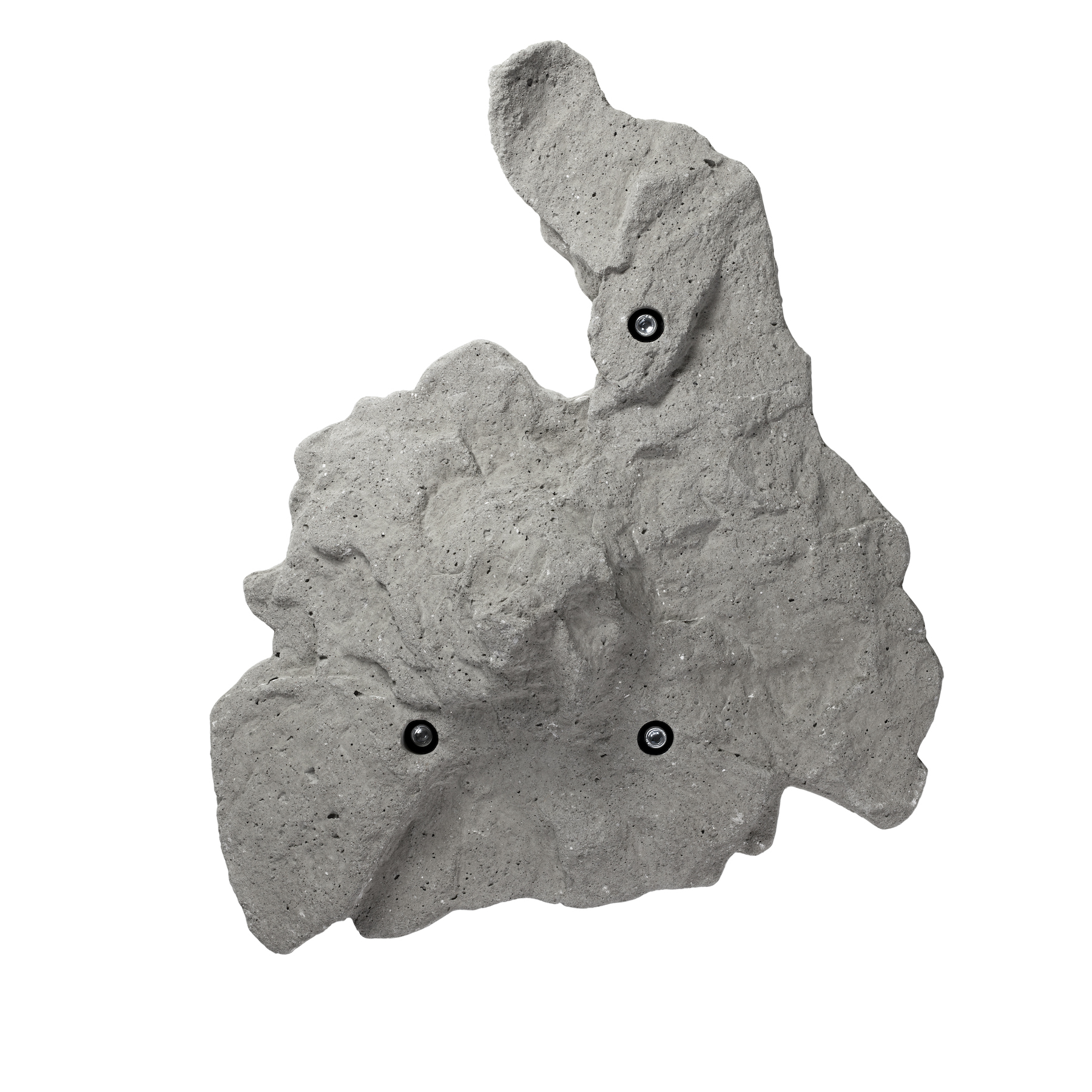
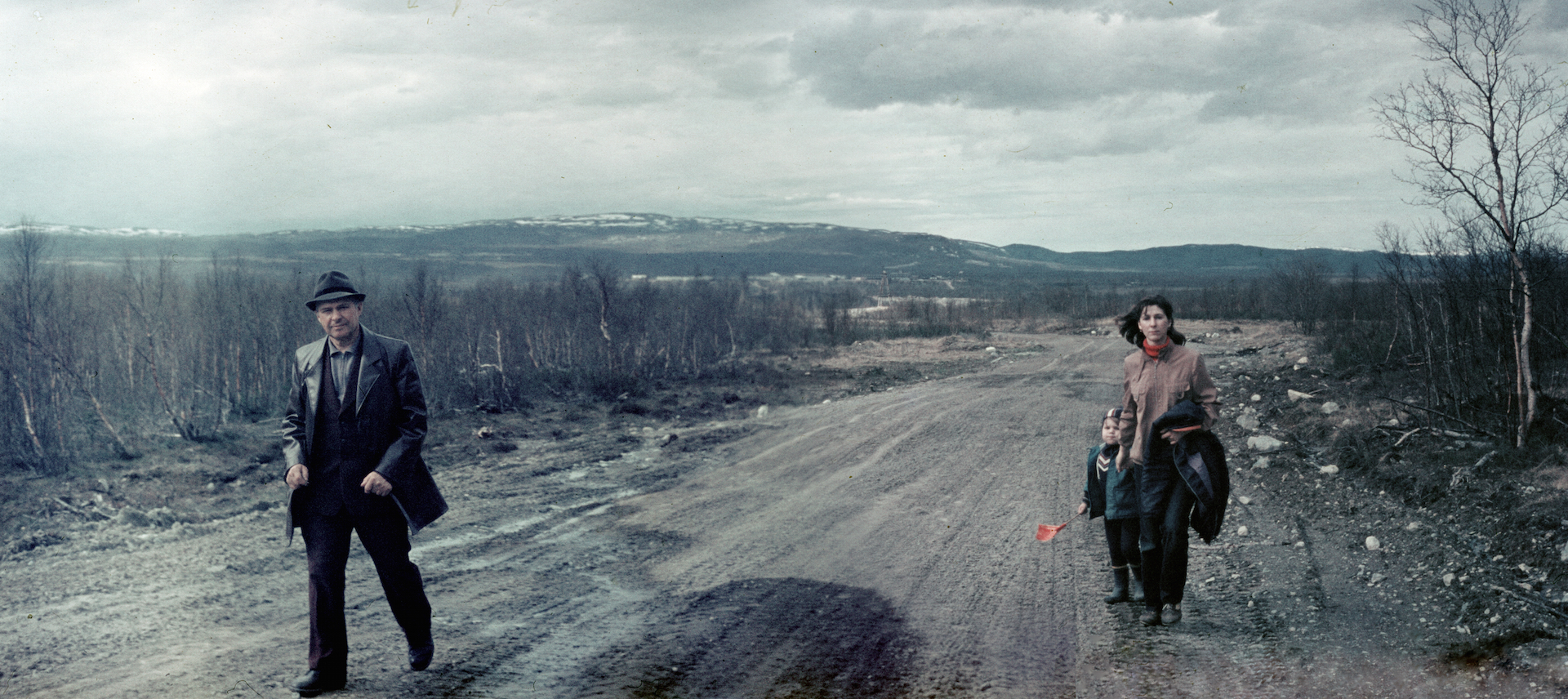
Penal Labour The project's main topic is the displacement of the Ingrian population during and after WWII.
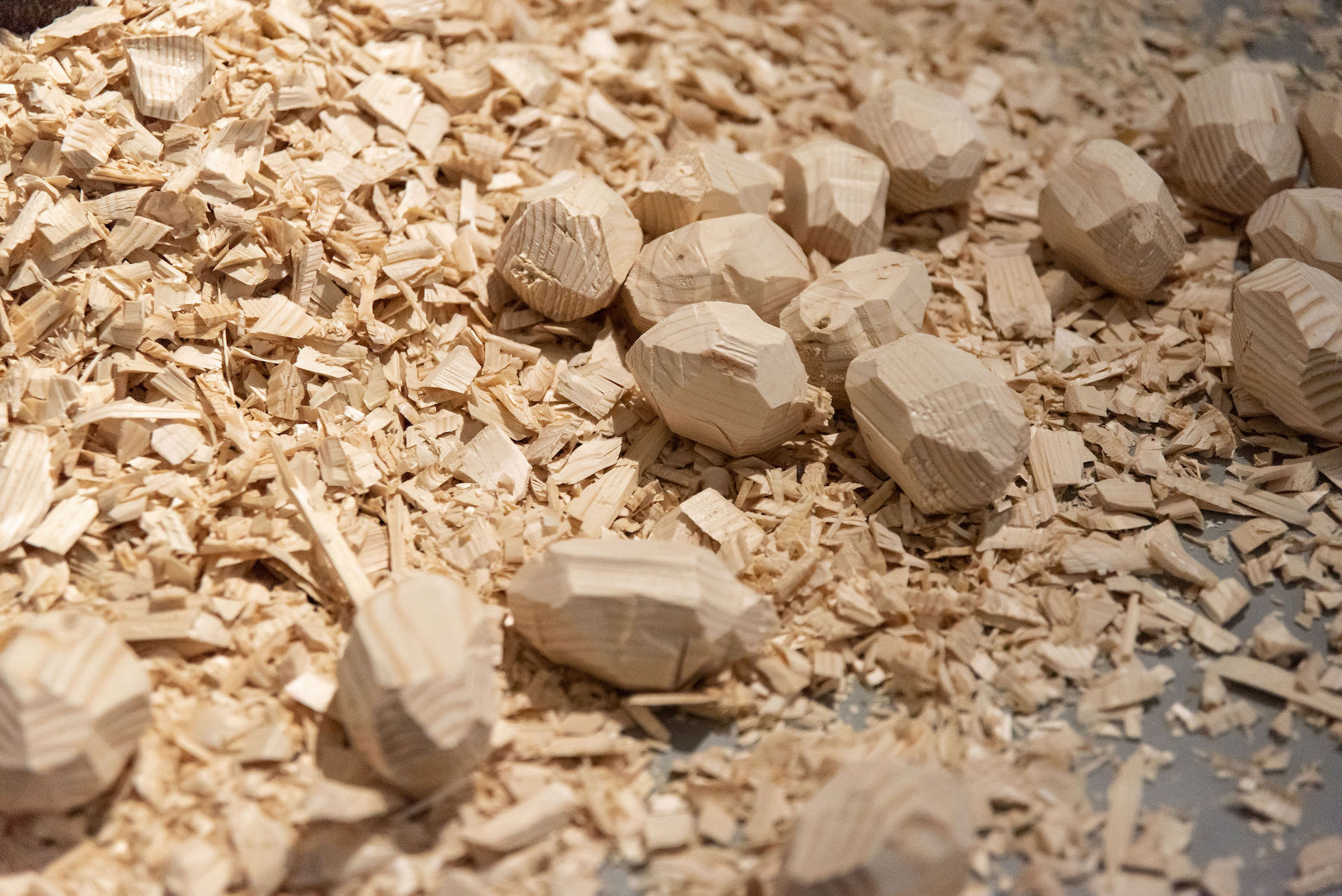
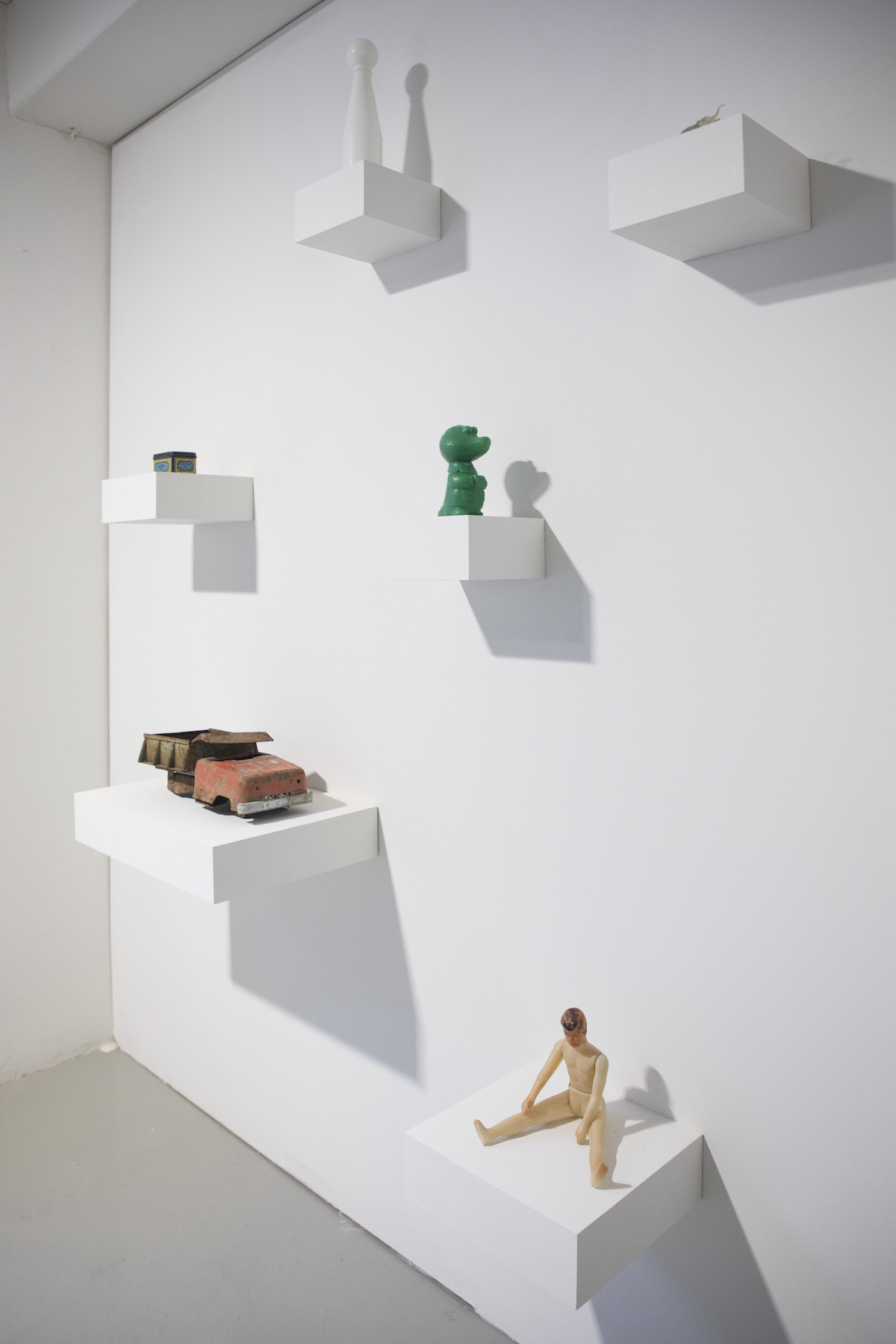
Potato Island The potato, from Holland, was introduced to Russia by Peter the Great in the 17th century and then became a traditional Russian food. Russia suffered extreme starvation during WWII, and bread was made containing wooden sawdust.
Letters to the Past To address the past is an attempt to put the accelerating machine of progress on pause, to slow down and untangle.
Belomorkanal museum The Domestic Belomor Canal Museum draws together reality and fiction, private memories and official history, found objects and local souvenirs. A ball of red thread Ariadne traces in this labyrinth of meanings.
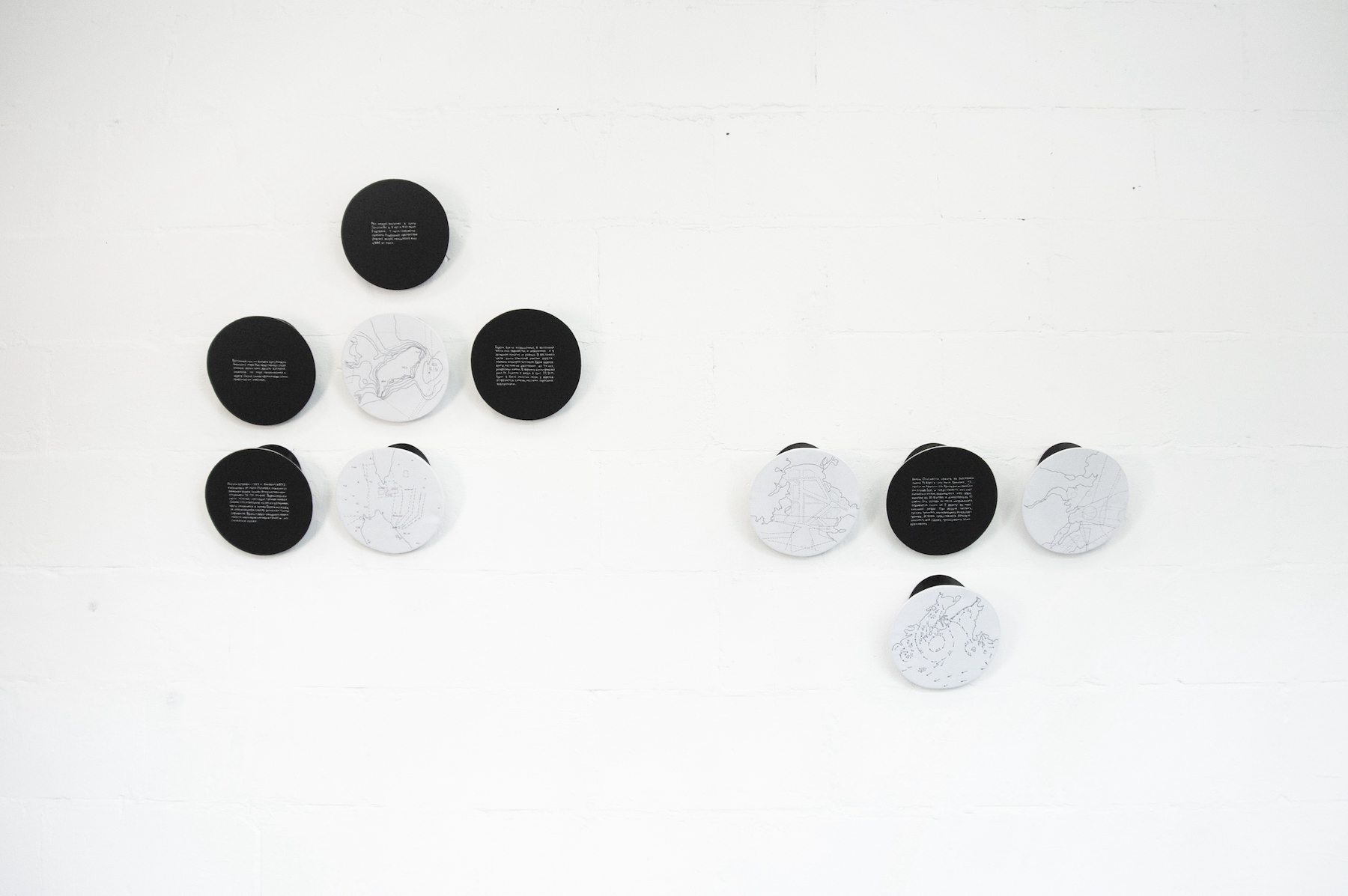
Go 围棋 Embroidery in the Gulag was a means of communication between the “zone” and freedom. Sea maps are embroidered on the caps representing sea routes of the “Gulag Archipelago”.
Black Swan Tires became a fuel for revolution. Filling the courtyards and streets, they channel this energy through peaceful means, making folk sculptures.
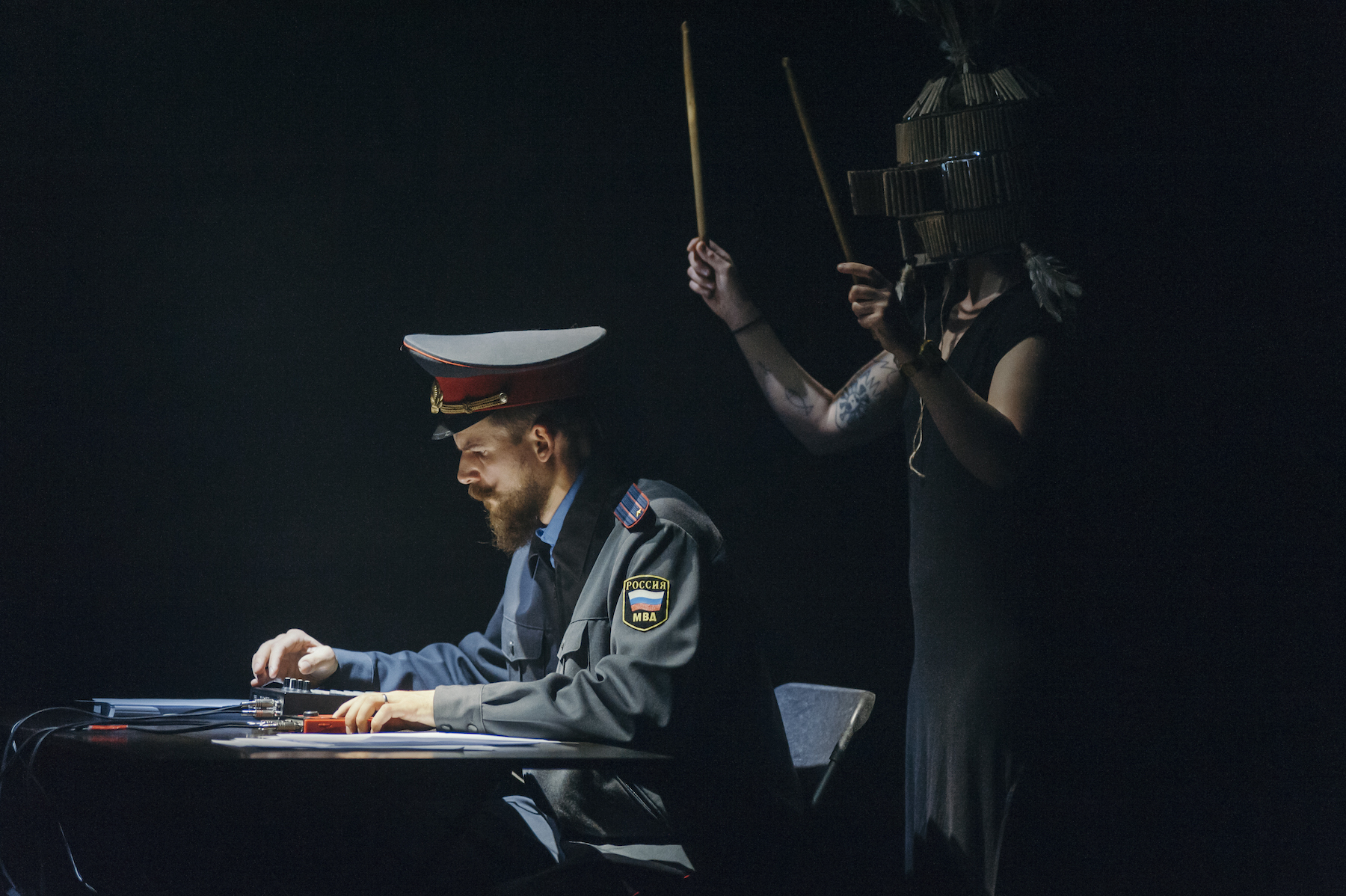
Drumming Head Drum into your head! Sound performance
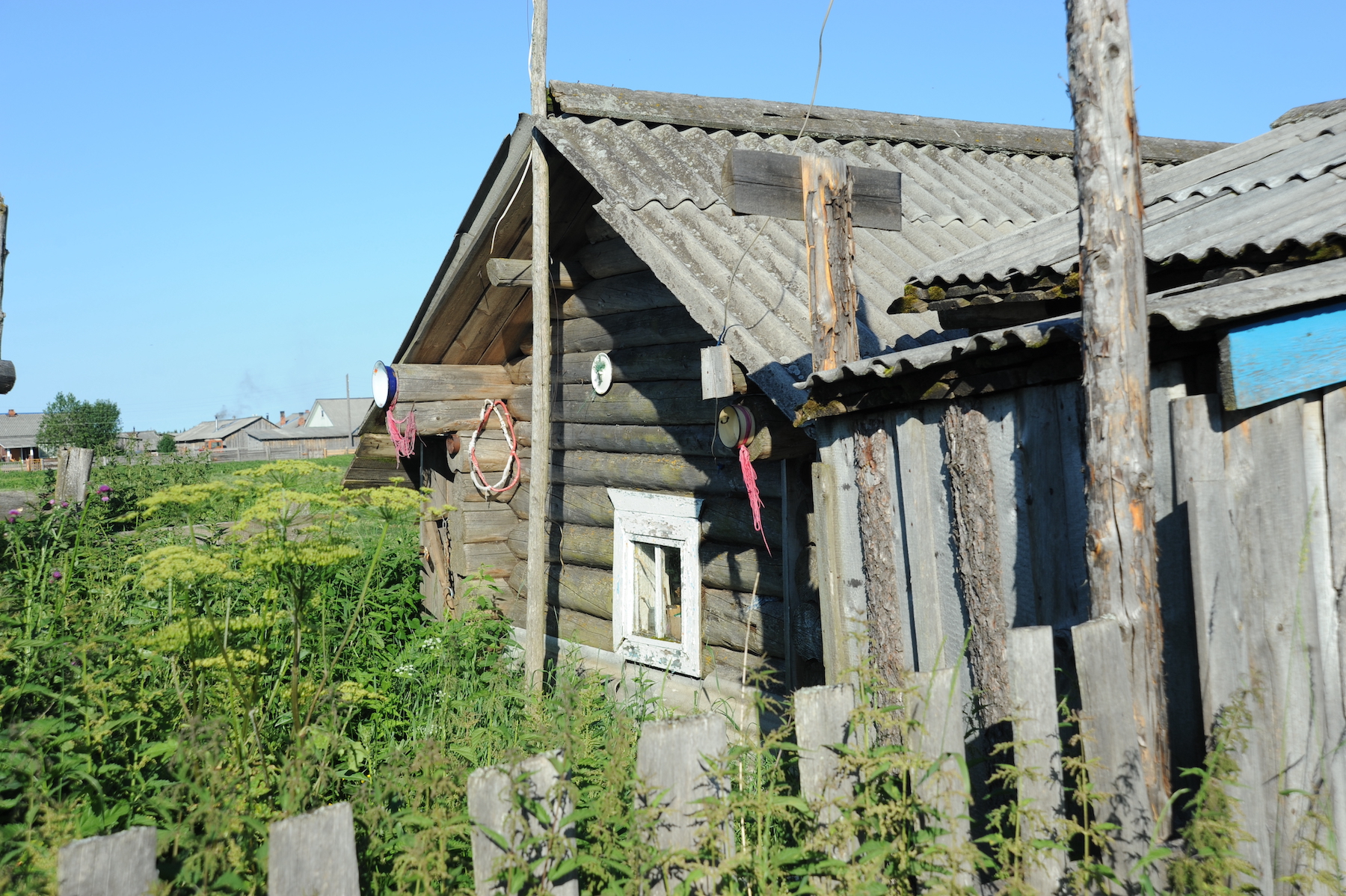
Valentina Kozinets – The Letter D In 2018, in Sovpolye village we found the home of Valentina Kozinets, an outsider artist who died in 2016. Paintings and notebooks inside the home were doomed to be thrown away. We took the finds with us to preserve the artist's heritage.
ПАРАДНАЯ/RAPPU Rappu is an interactive installation that invites visitors to enter into a typical Russian apartment block.